
Columbus County District Court Overview
North Carolina trial courts are organized as Superior Court and District Court divisions within the General Court of Justice. The research map keeps this file as `district-court.html` because District Court is a major local trial court, while also treating Superior Court as primary for felonies, major civil matters, estate caveats, and appeals from District Court. For Columbus County, NCAOC lists Prosecutorial District 15, Superior Court District 15A, and District Court District 15.
District Court handles many high-volume local matters. Traffic infractions, misdemeanors, domestic cases, juvenile matters, small claims appeals, and lower-dollar civil disputes often start or proceed there. Superior Court handles felony criminal cases, civil cases above District Court limits, appeals from District Court, and caveat proceedings that challenge a will. Magistrates support the District Court system through initial appearances, warrants and process, and small-claims functions.
Case flow: Law enforcement or civil filing › Magistrate or clerk intake › District Court hearing or Superior Court routing › judgment or disposition › appeal to Superior Court, Court of Appeals, or Supreme Court when allowed.
Columbus County Trial Courts
Columbus County does not have separate justice-of-the-peace or county-court-at-law courts. Municipal police agencies may issue citations or create reports, but official court cases route to the state court system and the Clerk of Superior Court. The local court facilities are clustered in Whiteville.
| Court or office | Type | Address | Phone |
|---|---|---|---|
| Columbus County Courthouse | District and Superior Court services, clerk's office | 100 Courthouse Circle, Whiteville, NC 28472 | (910) 641-4400 |
| Courthouse Annex Building | Public Defender's Office and three courtrooms | 113 Courthouse Square, Whiteville, NC 28472 | See court directory |
| Dempsey B. Herring Courthouse Annex | Annex court facility | 112 W Smith Street, Whiteville, NC 28472 | (910) 641-3000 |
| District Court Judges | District Court contacts | Columbus County court system | (910) 641-4412 |
| Superior Court Judges | Superior Court contacts | Columbus County court system | (910) 641-4416 |
| Magistrates | Initial appearances, warrants, process, small claims support | Columbus County court system | (910) 641-4519 |
The Eastern District of North Carolina CM/ECF page is useful only for federal filings, not Columbus County District Court case files.
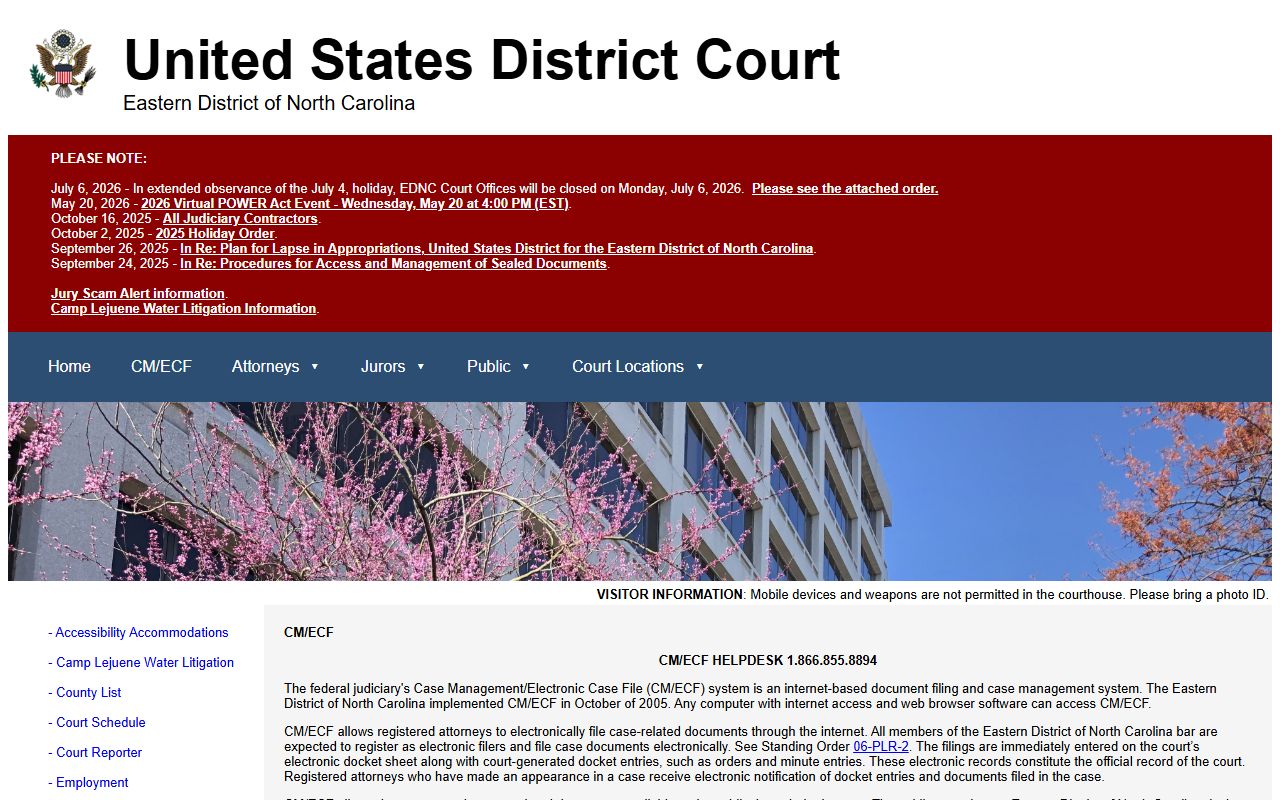
State District Court records use NCAOC systems and the Columbus County Clerk of Superior Court, while federal filings use EDNC systems.
District Court vs Superior Court
Columbus County court users often need to know whether a matter is in District Court, Superior Court, small claims, or a magistrate process. The line affects hearings, search terms, records, and where the case may go next. The Clerk of Superior Court maintains records for both District and Superior Court case files in the county.
| Feature | District Court | Superior Court | Magistrate or Small Claims |
|---|---|---|---|
| Main local role | Misdemeanors, infractions, traffic, domestic, juvenile, small claims appeals, lower-dollar civil cases | Felonies, major civil cases, appeals from District Court, estate caveats | Initial appearances, process, warrants, and small claims functions |
| Record holder | Clerk of Superior Court | Clerk of Superior Court | Clerk or magistrate-related court process |
| Online search | eCourts Portal Smart Search and Search Hearings | eCourts Portal Smart Search and Search Hearings | May appear once filed or calendared in court systems |
| Appeal path | Appeals may go to Superior Court depending on case type | Appeals generally go to appellate courts when allowed | Small claims appeals go to District Court |
Note: North Carolina does not use the county-court and justice-court structure common in some other states.
Columbus County Case Movement
Criminal and civil cases move through different paths. A misdemeanor or traffic case may begin with a citation, warrant, or magistrate appearance, then proceed in District Court. A felony may begin in lower-level process but move toward Superior Court through indictment or other felony charging procedure. A civil case may begin with a complaint, petition, or small-claims filing and then move through answers, motions, hearings, judgment, or appeal.
Criminal flow: Citation or arrest › Magistrate or first appearance › District Court setting or felony routing › plea, trial, dismissal, or disposition › sentence, costs, probation, or appeal.
Civil flow: Complaint or petition › service › answer or response › hearing, mediation, arbitration, or trial › order or judgment › appeal if allowed.
The PACER federal case access system is a different case path for federal civil, criminal, bankruptcy, and appellate records.
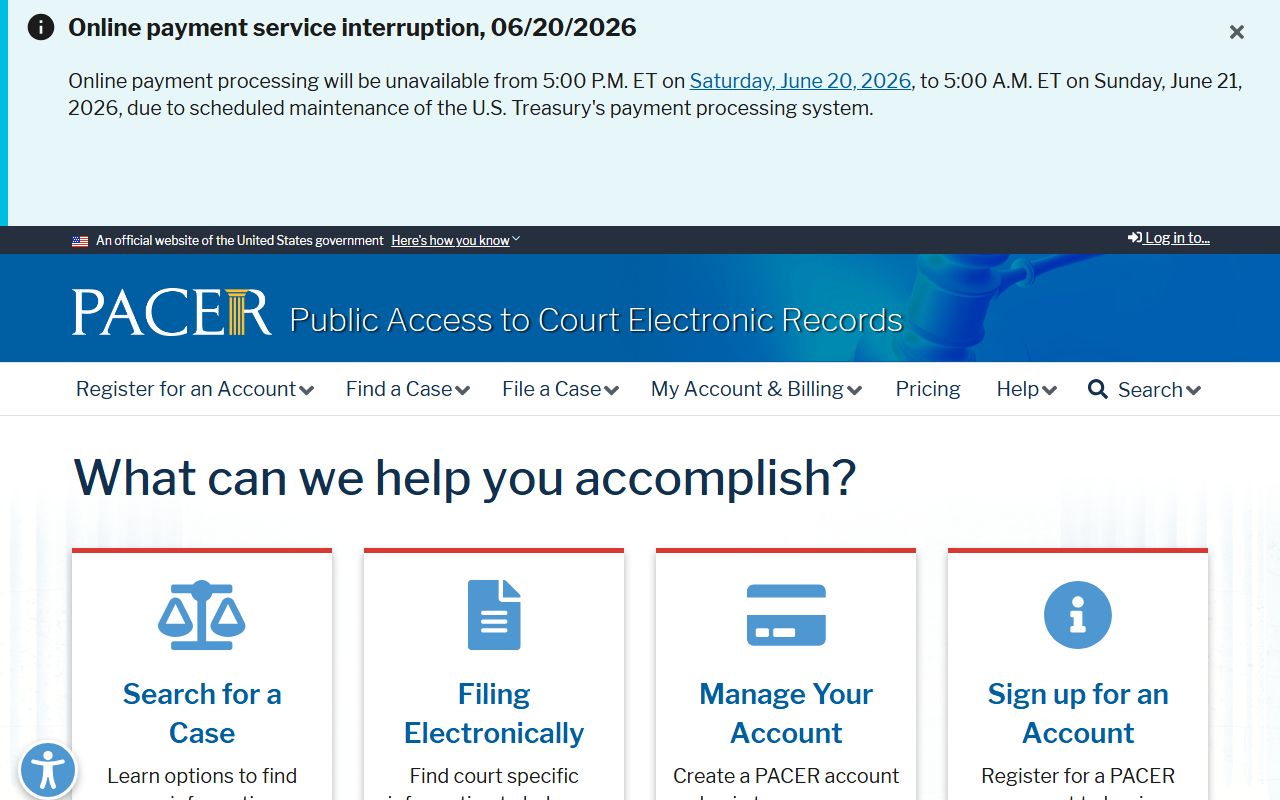
PACER should not be used for local Columbus County District Court traffic, misdemeanor, family, juvenile, or small-claims cases.
Columbus County District Court Records
A District Court record can show the case number, parties, filing date, charge or claim, hearing information, courtroom or judicial officer, disposition, costs, and related orders. Portal Smart Search accepts a record number or party name, while Search Hearings allows searches by location, hearing type, party, attorney, judicial officer, case number, and courtroom. For court dates, Columbus County also links civil and criminal calendars from its NCAOC local administrative schedules page.
District Court records differ from full county administrative records and federal case files. The court file is maintained in the North Carolina Judicial Branch system, not in a municipal police records system and not in PACER. For a complete file, certified copy, or background-check use, NCAOC points users back to the Columbus County Clerk of Superior Court.
| Search route | Best for | Limit |
|---|---|---|
| Smart Search | Case information by name or record number | Not a certified file copy |
| Search Hearings | District Court hearing dates, location, hearing type, party, attorney, judge, or courtroom | Calendar information may change |
| Clerk's office | Complete files, public terminals, certified copies, background-check route | Fees and access limits may apply |
Columbus County Judicial District
Columbus County is identified by NCAOC as Prosecutorial District 15, Superior Court District 15A, and District Court District 15. The District Attorney contact in the local directory is (910) 641-4410. The North Carolina Conference of District Attorneys identifies Prosecutorial District 15 as covering Bladen, Brunswick, and Columbus Counties, with the District Attorney representing the State in criminal and juvenile matters.
The U.S. Attorney for the Eastern District of North Carolina handles federal prosecutions, which are distinct from Columbus County District Court misdemeanors, infractions, and state criminal cases.
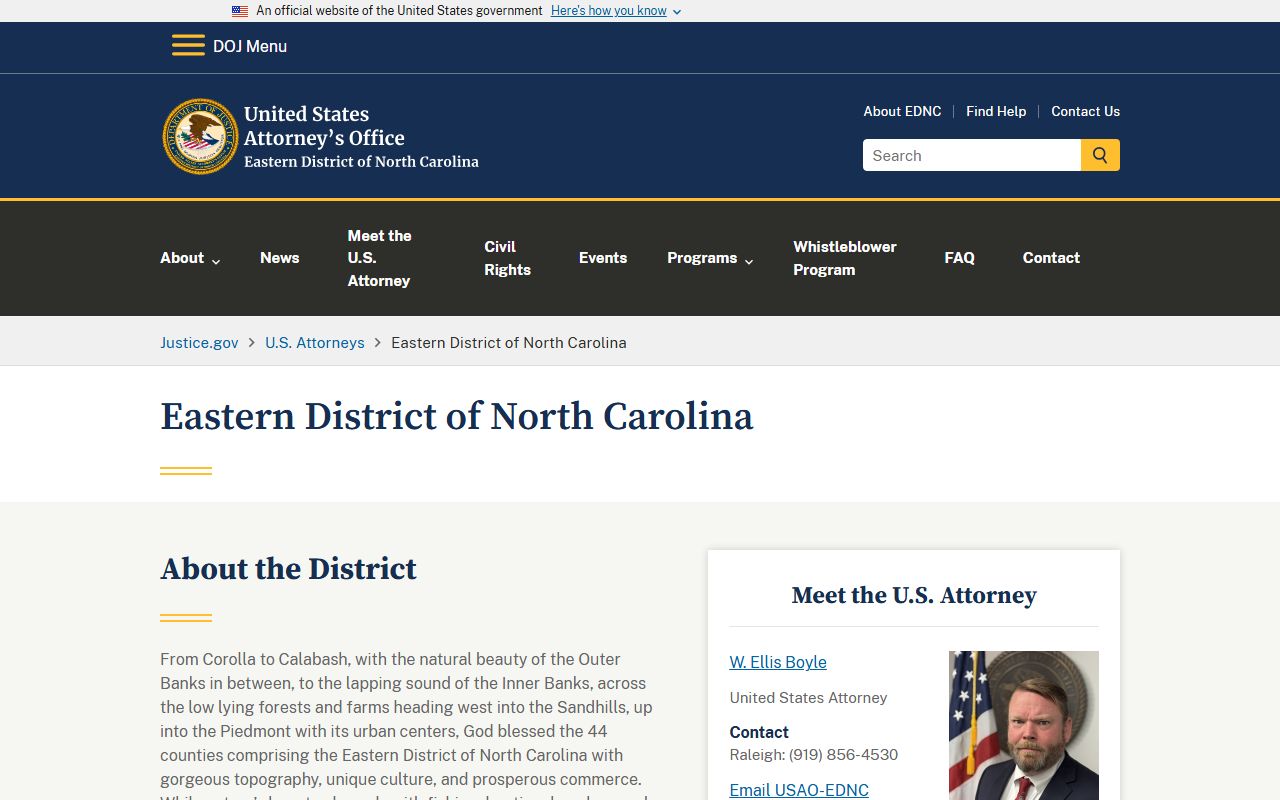
Use the District Attorney and state court records for North Carolina prosecutions in Columbus County; use federal sources only when the case is filed in federal court.
Magistrates and Lower Courts
Magistrates are part of the lower-court structure in Columbus County. They are associated with initial appearances, warrants and process, small-claims functions, and other District Court support duties. The contact directory lists magistrates at (910) 641-4519. The sheriff's Court Services page separately describes bailiff and security coverage for one District Court, one Superior Court, one Small Claims Court, one Civil Court, and one Child Support Court.
Municipal police agencies in Chadbourn, Fair Bluff, Lake Waccamaw, Tabor City, and Whiteville may create incident reports or issue citations, but official court cases are searched through NCAOC and maintained by the Clerk of Superior Court. That distinction is important for people comparing a police report, arrest event, jail booking, court charge, and final court disposition.
Federal Courts Near Columbus County
Federal courts are not Columbus County District Court. Federal civil, criminal, bankruptcy, and appellate cases for Columbus County route through federal systems such as the U.S. District Court for the Eastern District of North Carolina, the U.S. Bankruptcy Court for the Eastern District of North Carolina, PACER, and the U.S. Court of Appeals for the Fourth Circuit. Those records do not come from the Columbus County Clerk of Superior Court.
The U.S. Bankruptcy Court for the Eastern District of North Carolina handles bankruptcy matters separately from Columbus County District Court.
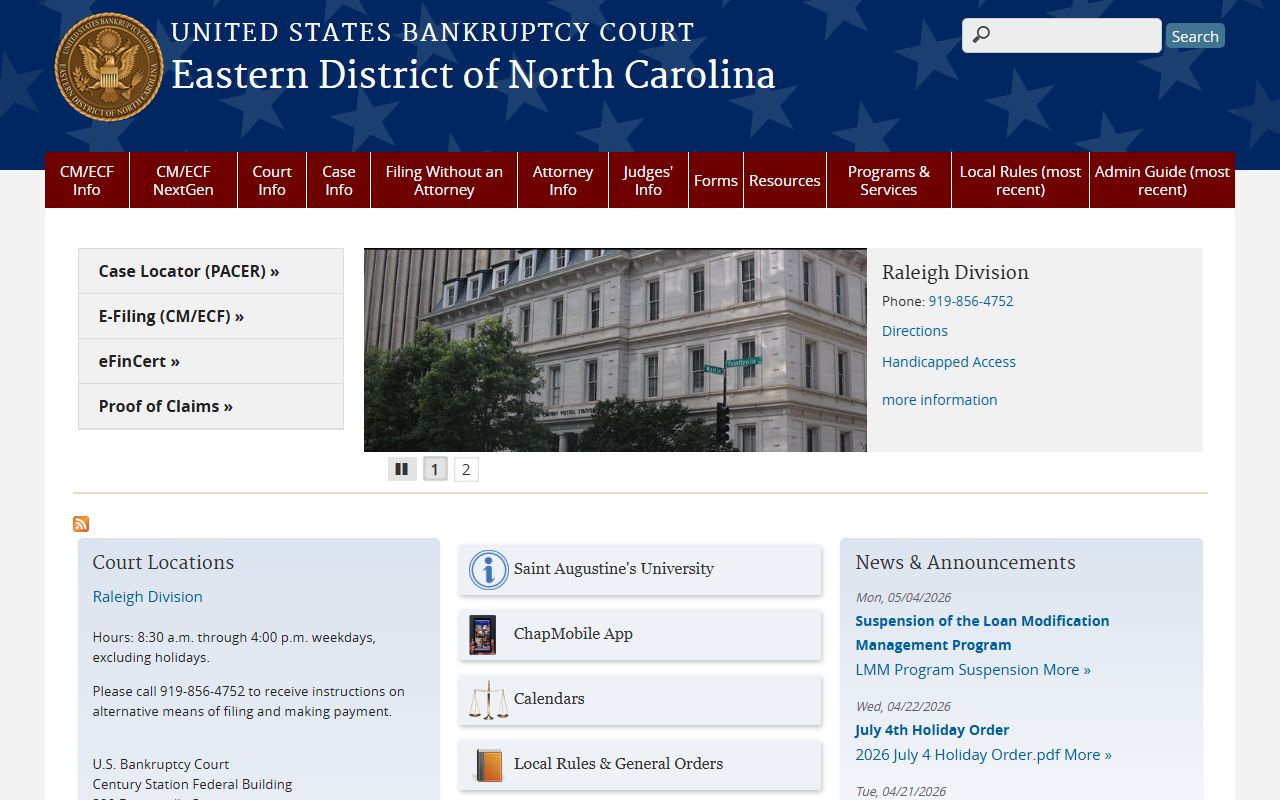
Bankruptcy records should be searched through federal bankruptcy systems, not through Columbus County District Court calendars.
The Fourth Circuit Court of Appeals is the federal appellate court for EDNC cases, while North Carolina state appeals go to the North Carolina Court of Appeals or Supreme Court.
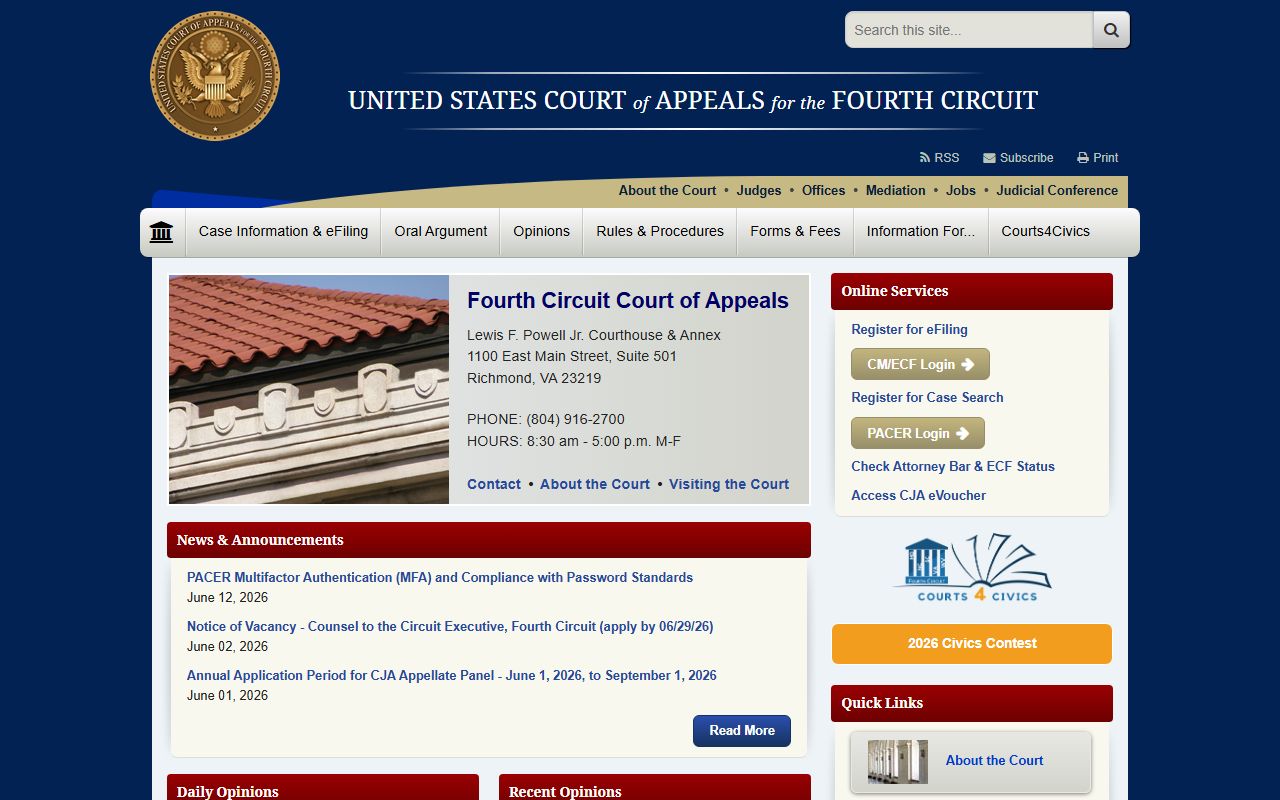
Federal appellate records and Columbus County District Court records sit in different systems, even when the people or facts are connected.
Public Record Search
Sponsored Results